Finance, technology + exit readiness/Nova Restaurant Group
Making A Growing Restaurant Group Easier To Run And Easier To Value.
Nova Restaurant Group had strong operators, multiple concepts and meaningful growth—but its financial systems made it difficult to see the whole business clearly. By connecting restaurant operations to cleaner accounting, shared data and disciplined balance-sheet management, the group built a stronger foundation for everyday decisions and any future transaction.
- Client
- Nova Restaurant Group
- Restaurant context
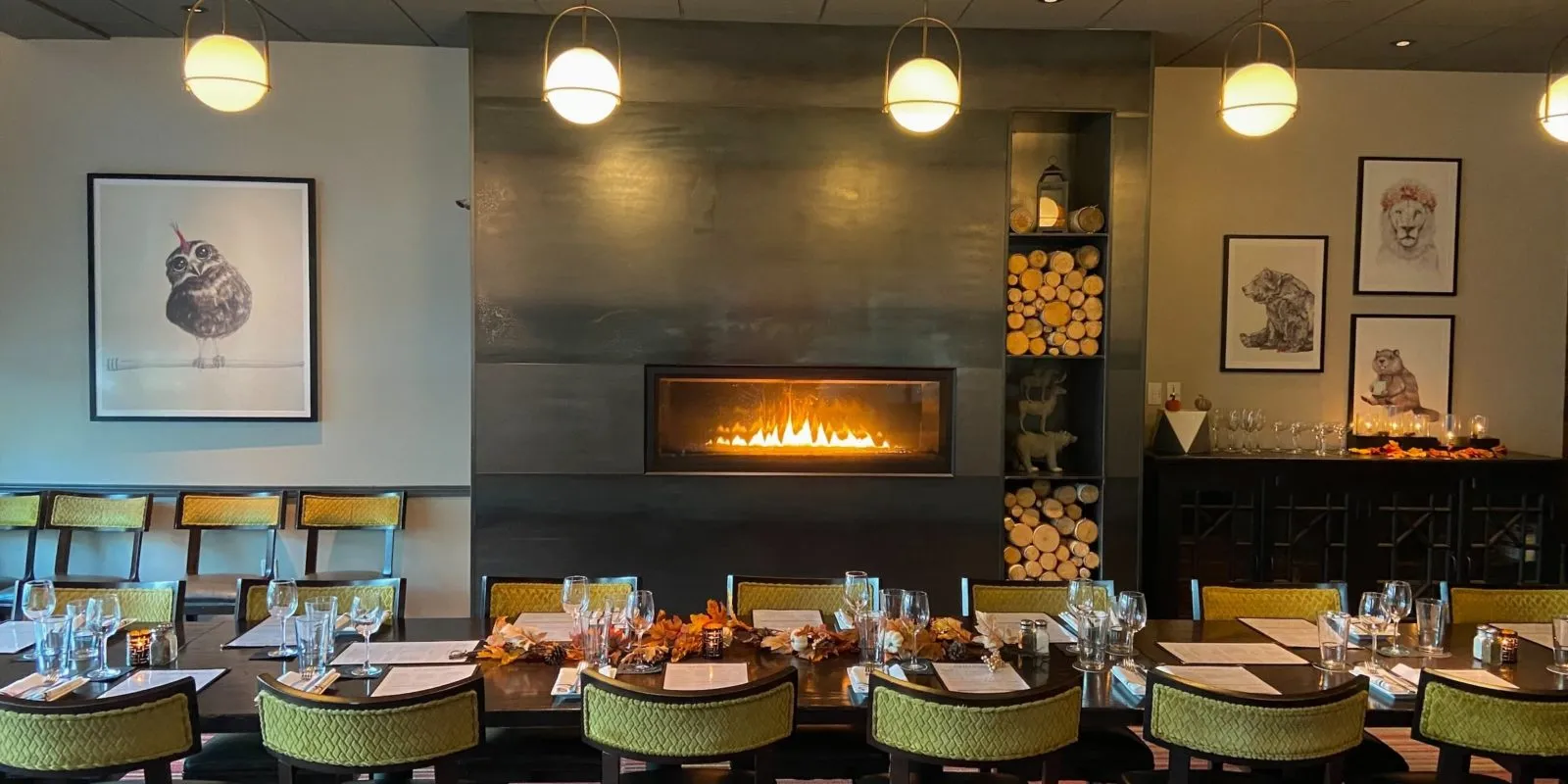
- Multi-concept, multi-location restaurant group operating across Minnesota and Wisconsin
- Role
- Bruce Nelson as Chief Financial Officer beginning in 2009: portfolio focus, financial systems, Restaurant365 implementation, reporting, balance-sheet discipline and acquisition readiness
- Solutions
- Profitability, Operations, Technology and M&A plus Exit
- Engagement
- Long-term executive leadership and group development
- Primary outcome
- A clearer, more defensible restaurant business built to operate well and be valued accurately
The restaurant group
Strong Restaurants Without One Clear Financial Picture.
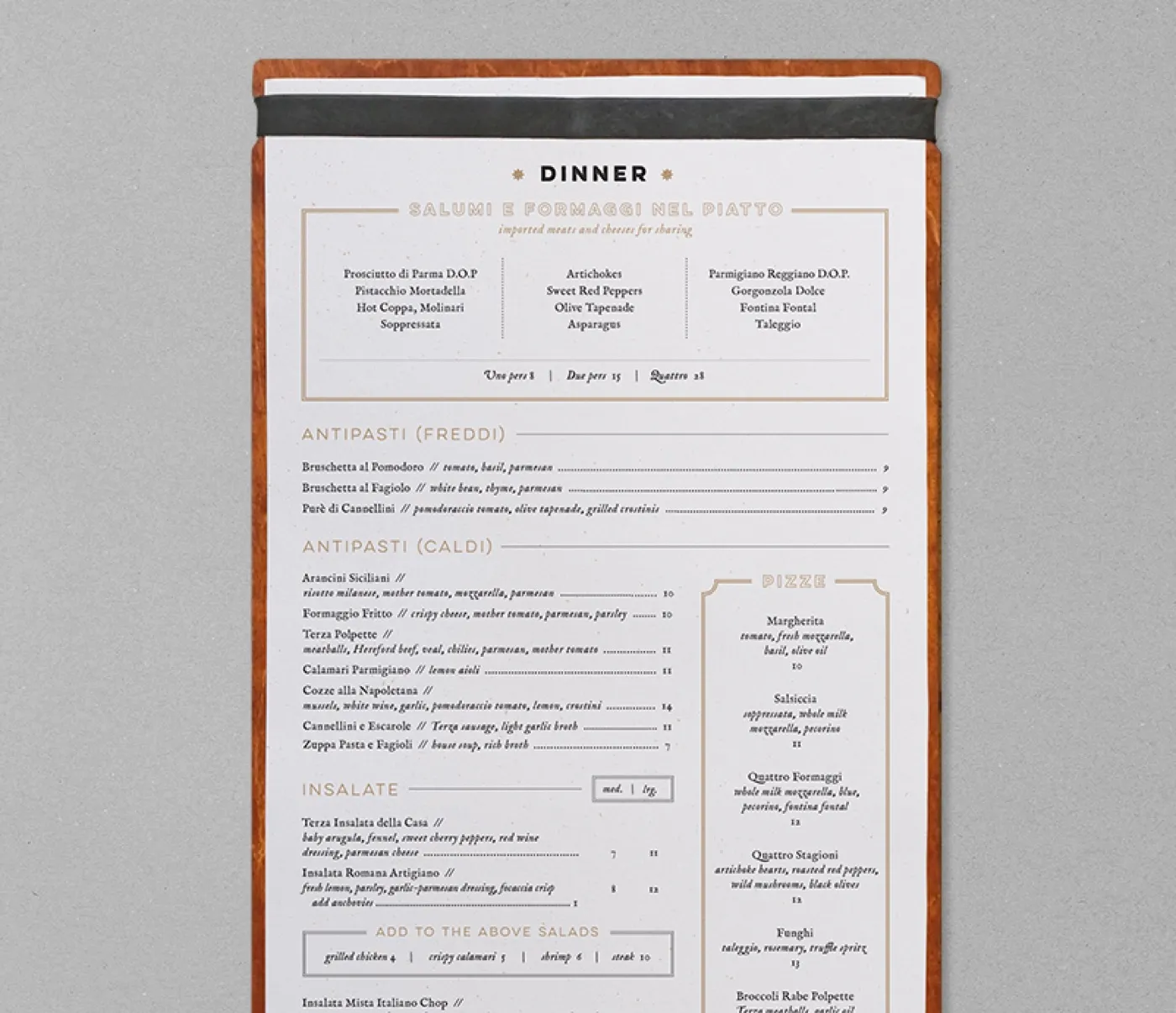
When Bruce Nelson joined Nova Restaurant Group as CFO in 2009, the business generated approximately $13 million in annual revenue and operated multiple concepts and entities across the Twin Cities and Rochester. The portfolio included clear successes such as Chester’s and the newly opened Pescara, a steady but more modest performer in Hazelwood Grill and Tap Room, and two pizza concepts struggling to meet their revenue objectives.
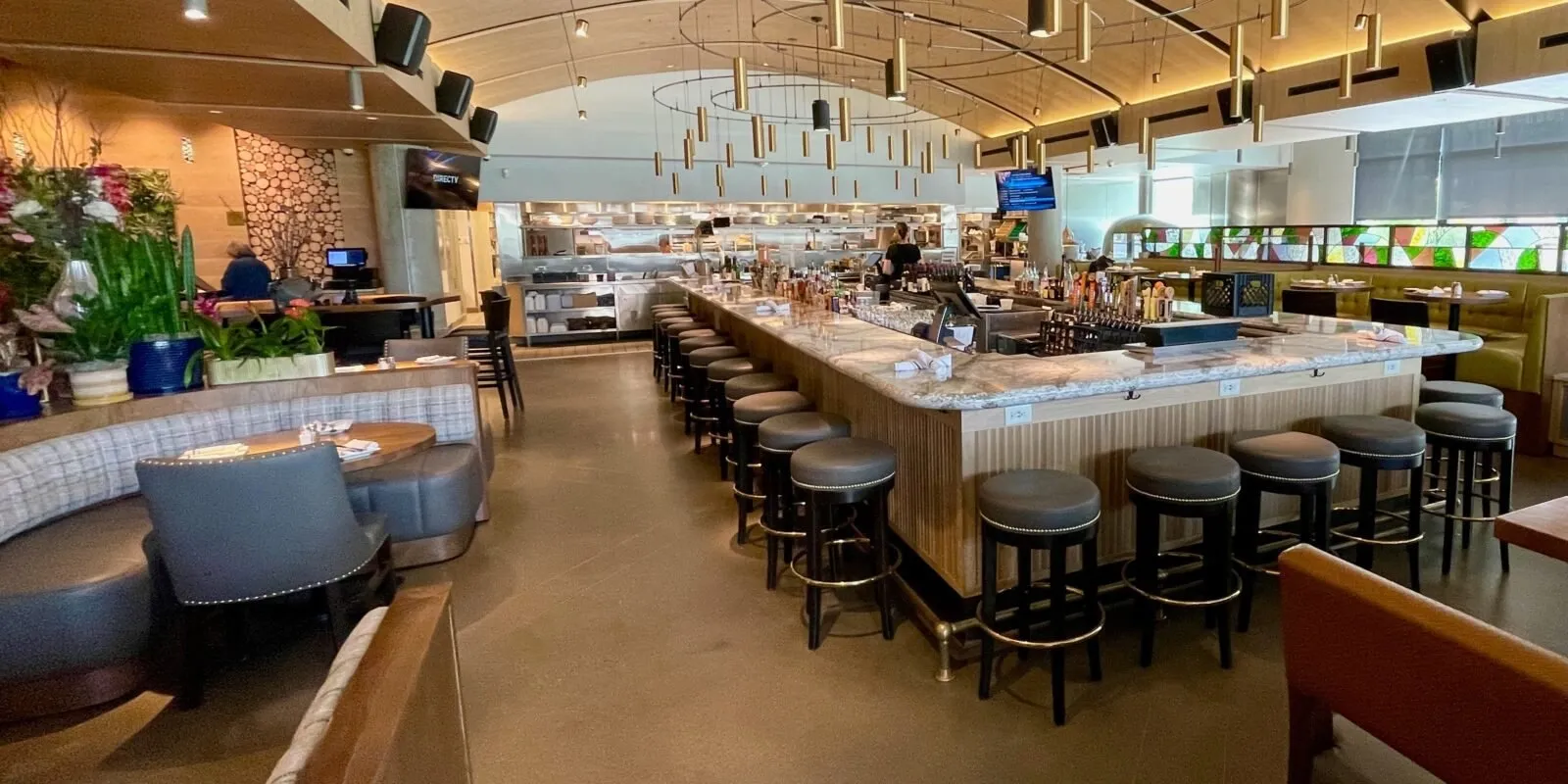
Over the following years, Nova narrowed its focus around the casual and polished-casual concepts where its operating strengths created the most value. The group opened Tavern 4 and 5 in Eden Prairie in 2014 and later developed Terza in downtown Rochester, while continuing to grow and refine a portfolio of distinct restaurant brands.
What was happening
The Group Had Outgrown The Systems Behind It.
By 2016, Nova was still relying on QuickBooks across separate restaurant entities, build-outs and brands. Cross-concept reporting was slow. Point-of-sale information did not move cleanly into accounting. Invoices required substantial manual entry, and management lacked one reliable place to compare actual performance with budgets, prior periods and theoretical food costs.
The challenge was larger than inefficient bookkeeping. Ownership needed to understand which concepts were creating value, how the entities interacted and what the group would look like to a lender, investor or potential buyer. Strong restaurant operations were present, but the financial story was harder to see and harder to defend than it should have been.
Every entity had books. The group had no single picture.
What we saw
Acquisition Readiness Begins With Everyday Management.
Nova’s apparent accounting problem was really a management-visibility problem. The group did not simply need faster reports. It needed financial information structured around how the restaurants actually operated—and detailed enough to explain the business to someone outside it.
That meant addressing two connected layers. The first was the operating data: sales, invoices, inventory, recipes, budgets and food costs. The second was the financial structure beneath it: gift-card liabilities, intercompany transfers, owner loans, distributions, entity relationships and the distinction between true operating expenses and items a future buyer would question.
For a restaurant owner, this distinction matters. A clean profit-and-loss statement can still sit on top of an unclear balance sheet. And financials optimized only to reduce a current-year tax bill can make sustainable profitability more difficult to demonstrate later. The business has to be operated, recorded and explained as one coherent system.
A clean P&L can still sit on an unclear balance sheet.
What we changed
From Separate Books To Defensible Value.
01 / Focusing the portfolio around what worked
Nova moved away from two underperforming pizza concepts and invested its attention in casual and polished-casual restaurants where the group had stronger operating conviction. This was not growth for growth’s sake. It was an effort to concentrate capital, management attention and brand development around concepts capable of earning durable demand.
02 / Creating one financial source of truth
After evaluating the group’s needs, Bruce identified Restaurant365 at the 2016 National Restaurant Association Show in Chicago. Nova became an early adopter and moved from separate, fragmented accounting files into a single restaurant-specific database connected to its point-of-sale systems. Automatic invoice imports reduced manual entry. Inventory and menu information could live closer to the financial reporting. Managers gained better access to budgets, actual-versus-budget performance, year-over-year comparisons and theoretical-versus-actual food costs. The system created a clearer view of day-to-day operations across brands and entities.
One restaurant databaseIllustrative Enter it once. See it everywhere it matters.
03 / Cleaning the balance sheet
Technology improved visibility, but software alone could not make the business transaction-ready. The group also had to understand and defend what appeared on each balance sheet: how gift cards were recorded, how intercompany transfers were handled, how owners took distributions, whether owner notes were documented and whether any personal or non-operating expenses were obscuring the true restaurant business.
Balance sheet · Diligence viewIllustrative Every account a buyer will ask about, answered in advance.
04 / Protecting the integrity of EBITDA
Nova treated financial clarity as more than an annual tax exercise. Legitimate tax-planning decisions could still introduce expenses that reduced reported profit or required substantial explanation during diligence. The goal was to maintain financial statements that showed true operating revenue, true operating expense and the most accurate, supportable EBITDA possible.
Operating profit → Supportable EBITDAIllustrative Report the business a buyer can actually underwrite.
05 / Operating as if a buyer could ask tomorrow
Because owners rarely know when an unsolicited opportunity may appear, acquisition readiness became an operating standard rather than a one-time cleanup project. Compliance, taxes, filings, employee practices, balance sheets and supporting documentation all needed to remain current and defensible whether or not the owners intended to sell.
Acquisition readinessIllustrative Ready before anyone asks.
How the pieces connected
Better Information Made The Business Easier To Operate And Explain.
- POS + invoices + inventory
- →Clean data
- →Reporting
- →Management visibility
- →Better decisions
- Clean balance sheet
- →Defensible P&L
- →Accurate EBITDA
- →Lower diligence risk
- →Clearer value
The value came from connecting restaurant execution to financial truth, then using that clarity to support both daily management and long-term enterprise value.
The first relationship improved the way the group operated. The second improved the way the business could be evaluated. Together, they show why restaurant finance cannot be separated from operations, technology or ownership strategy.
The impact
A Restaurant Group Built On Defensible Information.
Nova established a financial and operational foundation that was more useful to managers, more transparent to ownership and more credible to outside stakeholders. The impact was structural and lasting: the group could run the business from clearer information today while building a more defensible picture of its value for tomorrow.
Portfolio
A focused portfolio
The group concentrated its portfolio around concepts with stronger operating and market performance.
Systems
One restaurant database
Restaurant accounting moved from separate QuickBooks files into one restaurant-specific database. POS data, invoice imports, inventory, menu information and budgeting became more connected.
Visibility
Sharper comparisons
Management could compare budgets, actual results, prior periods and theoretical food costs more effectively.
Balance sheet
A balance sheet ready for scrutiny
Balance-sheet accounts and intercompany relationships received the scrutiny required for future diligence.
Reporting
Supportable EBITDA
Financial reporting was organized around true restaurant operations and supportable EBITDA.
Discipline
Readiness as a habit
Acquisition readiness became a continuous management discipline rather than a last-minute project.
For restaurant owners, the benefit exists even when no sale occurs. A business with current compliance, clean data, reliable reporting and defensible financials is easier to manage, better positioned to protect profit and more prepared for whichever opportunity comes next.
What’s next
The Operating Discipline That Became Tempo’s Model.
The Nova experience helped shape Tempo’s approach to Restaurant365 support, fractional financial leadership and Tempo Coda. The principle is the same: make the restaurant stronger now by building the systems, documentation and financial clarity an outside buyer would eventually expect.
Explore More Impact Stories


Build a more profitable restaurant.
Build A Restaurant Business Buyers Can Understand.
You do not have to be planning a sale to benefit from acquisition-ready financials. Tempo can help connect your restaurant systems, clean up the financial story and build a business that is easier to operate, more profitable and ready when opportunity appears.
Let’s Talk Growth