Brand, marketing + expansion/Hazelwood Food + Drink
Expanding Local Relevance Into A Multi-Store Brand.
Hazelwood Food and Drink began with a risky location, an inherited naming assumption and a polished-casual category ready for a different point of view. The team built a more open, approachable restaurant brand—then adjusted the launch strategy when visibility alone did not produce the expected demand.
- Client
- Hazelwood Food and Drink / Nova Restaurant Group
- Restaurant context
- New approximately 8,000-square-foot, 280-seat polished-casual flagship near the Mall of America
- Role
- Naming and brand strategy, identity, brand-to-environment integration, apparel, menus, signage, exterior applications, style guide and website
- Solutions
- Marketing, Operations and Expansion
- Engagement
- New concept development, launch and market correction
- Primary outcome
- A locally relevant flagship brand that expanded to four locations
The restaurant
A Flagship Opportunity In A Location Others Questioned.
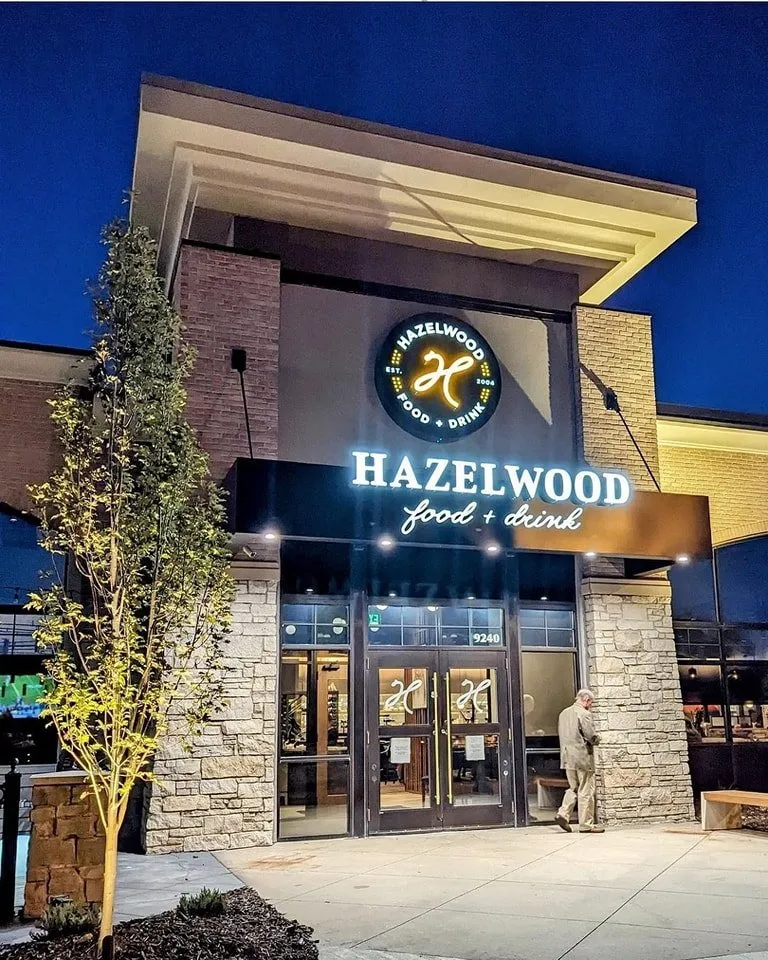
In approximately 2017, Nova Restaurant Group was approached about an 8,000-square-foot restaurant space next to the Mall of America in Bloomington. Conventional wisdom suggested that restaurant demand was concentrated inside the mall, where established concepts already benefited from the destination’s traffic.
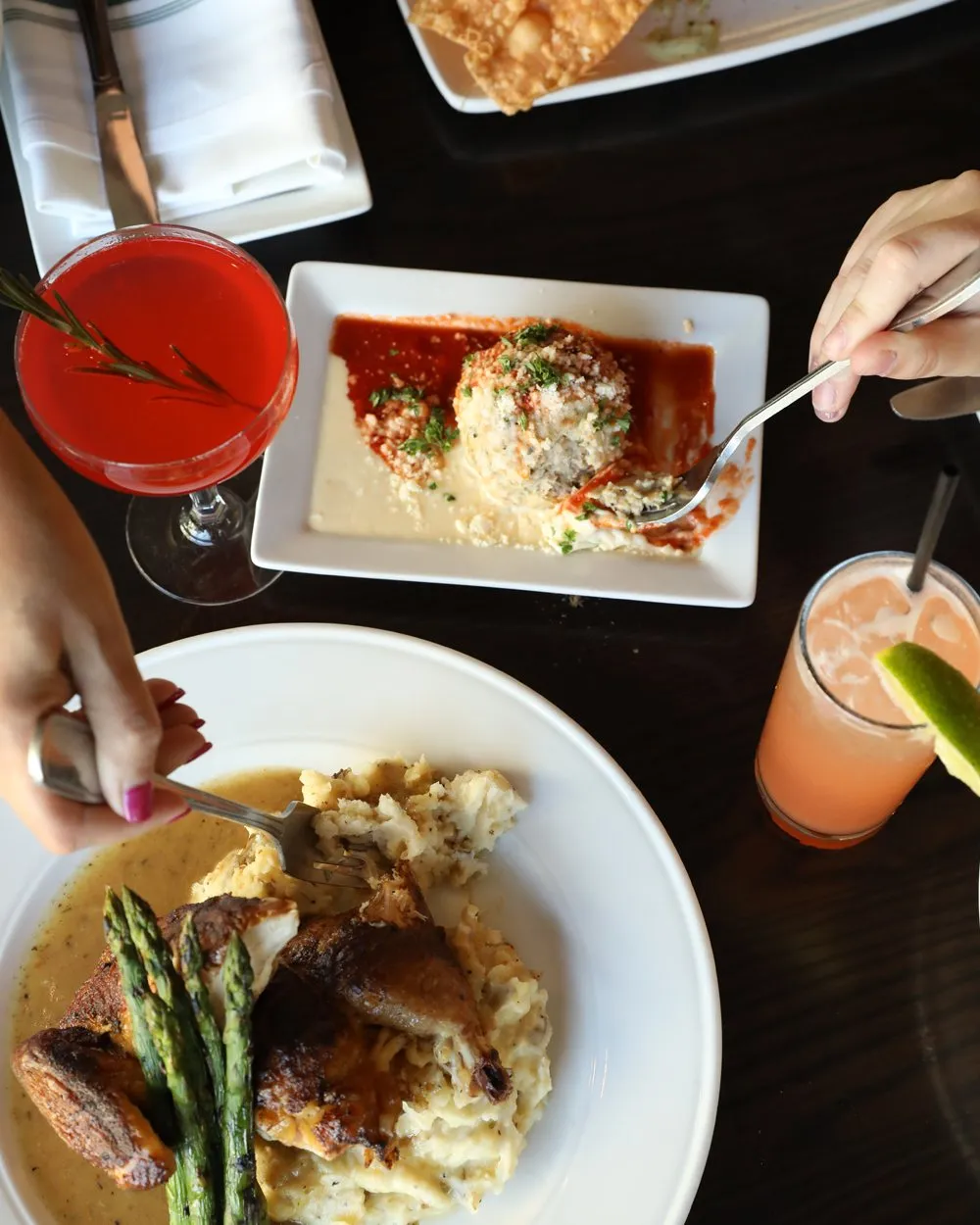
Nova saw a different opportunity. The site sat near busy roads, hotels and regional transportation, and the group believed there was room for a polished-casual restaurant that could serve travelers, nearby residents and the broader Twin Cities market. The concept would offer modern comfort food across a broad menu, from rotisserie chicken and wood-fired pizza to steaks, burgers, salads, seafood and handmade soups.
What was happening
The Location Was Visible But The Concept Still Had To Earn Demand.
The first challenge was identity. Nova already operated a successful Rochester restaurant called Chester’s, and ownership initially expected to bring that name into the Twin Cities. But the name’s strength was closely tied to its Rochester context, and other businesses using Chester’s did not reflect the more elevated experience being developed for Bloomington.
The second challenge appeared after opening. Traffic counts, nearby hotels and the Mall of America created substantial visibility, yet the restaurant’s early performance fell short of its pro forma. Hotel guests were finding Hazelwood, but transient demand alone was not enough to consistently fill a restaurant of this scale. The team needed to understand who was missing and why.
- Hotel + destination traffic
- Local households, not yet regulars
Visible to visitors. Not yet part of the neighborhood’s routine.
What we saw
Visibility Is Not The Same As Local Relevance.
Hazelwood exposed two assumptions that could have limited the concept. First, a successful name in one market does not automatically carry the same meaning in another. Second, a highly visible location does not guarantee that nearby residents will see a restaurant as part of their own routines.
The opportunity was to create a brand with enough distinction to stand on its own, connect that brand to a physical experience unlike the darker polished-casual conventions of the period, and then build direct awareness among the households capable of supporting the restaurant week after week.
For another restaurant owner, the lesson is practical: location traffic can create exposure, but exposure is not a customer strategy. A restaurant must still define whom it is for, give those guests a reason to choose it and build repeated relevance beyond opening-week curiosity.
What we changed
From Naming To Neighborhood.
01 / Creating a name with room to travel
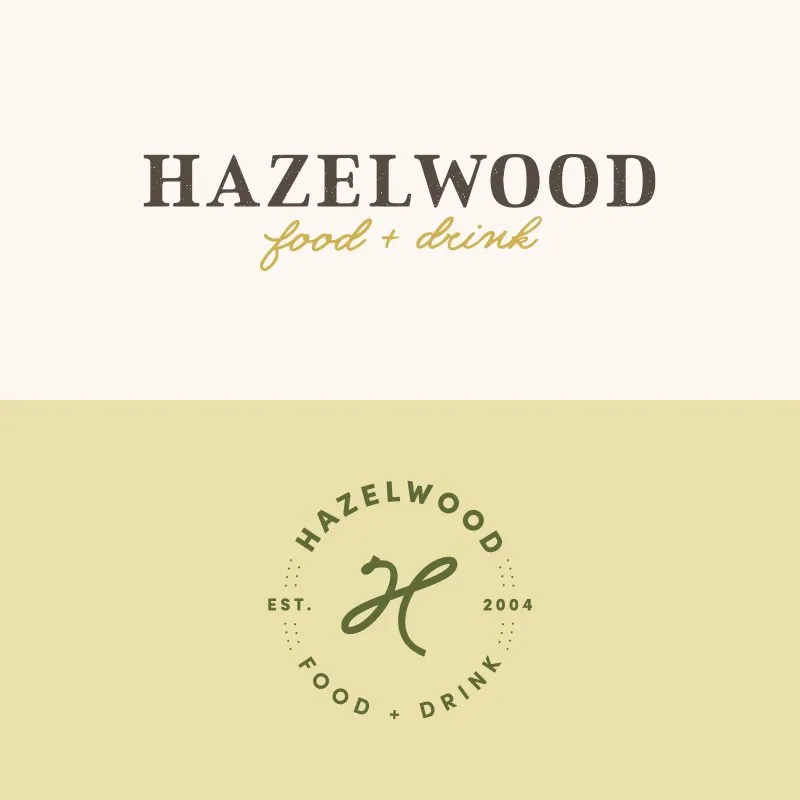
The team moved away from extending a similar concept, Chester’s, and returned to an earlier Nova concept called Hazelwood Grill and Tap. The name was reimagined as Hazelwood Food and Drink—familiar enough to retain some heritage, but broader, more contemporary and better suited to the new restaurant’s ambition.
02 / Building a brighter kind of polished casual
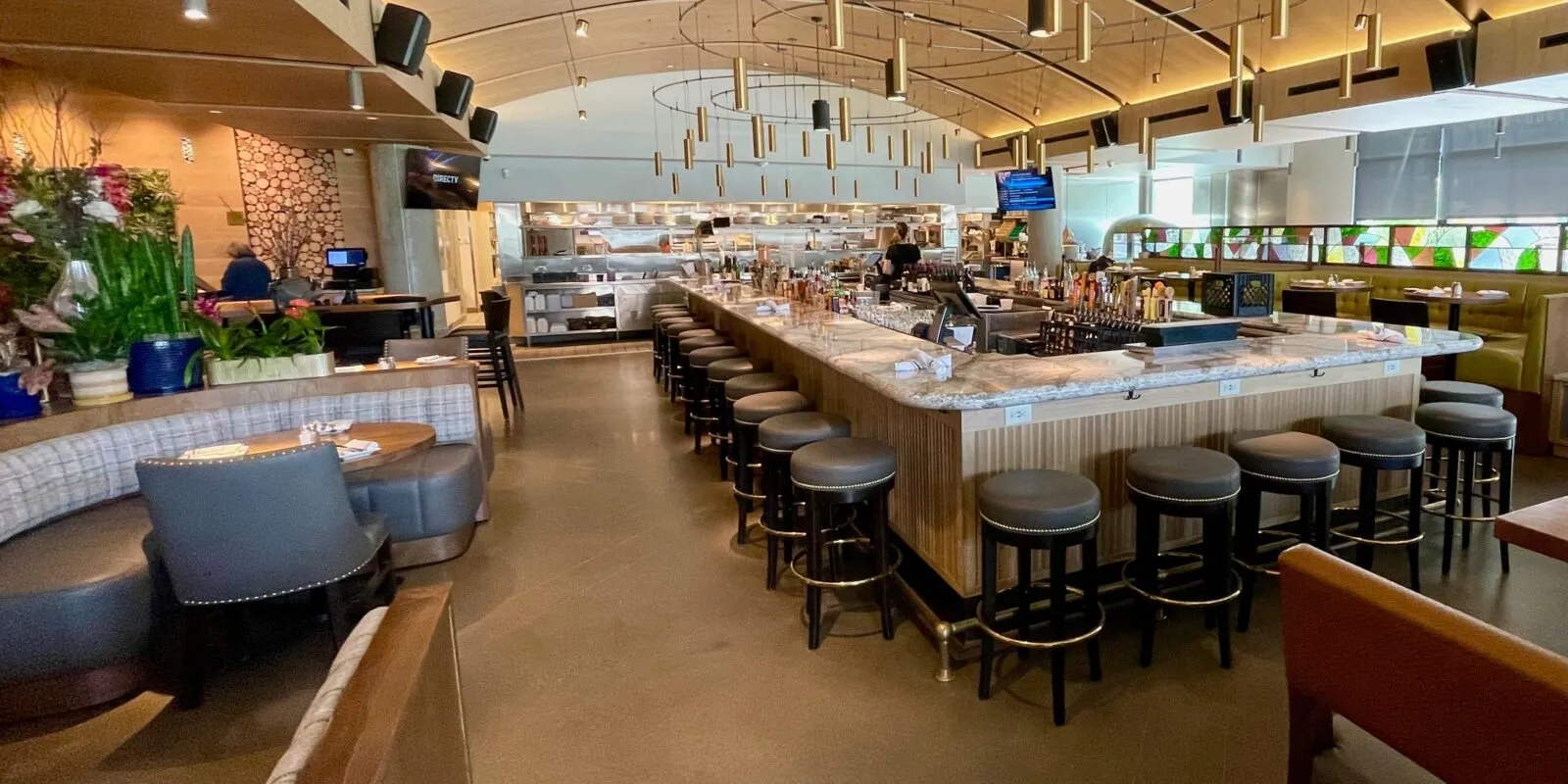
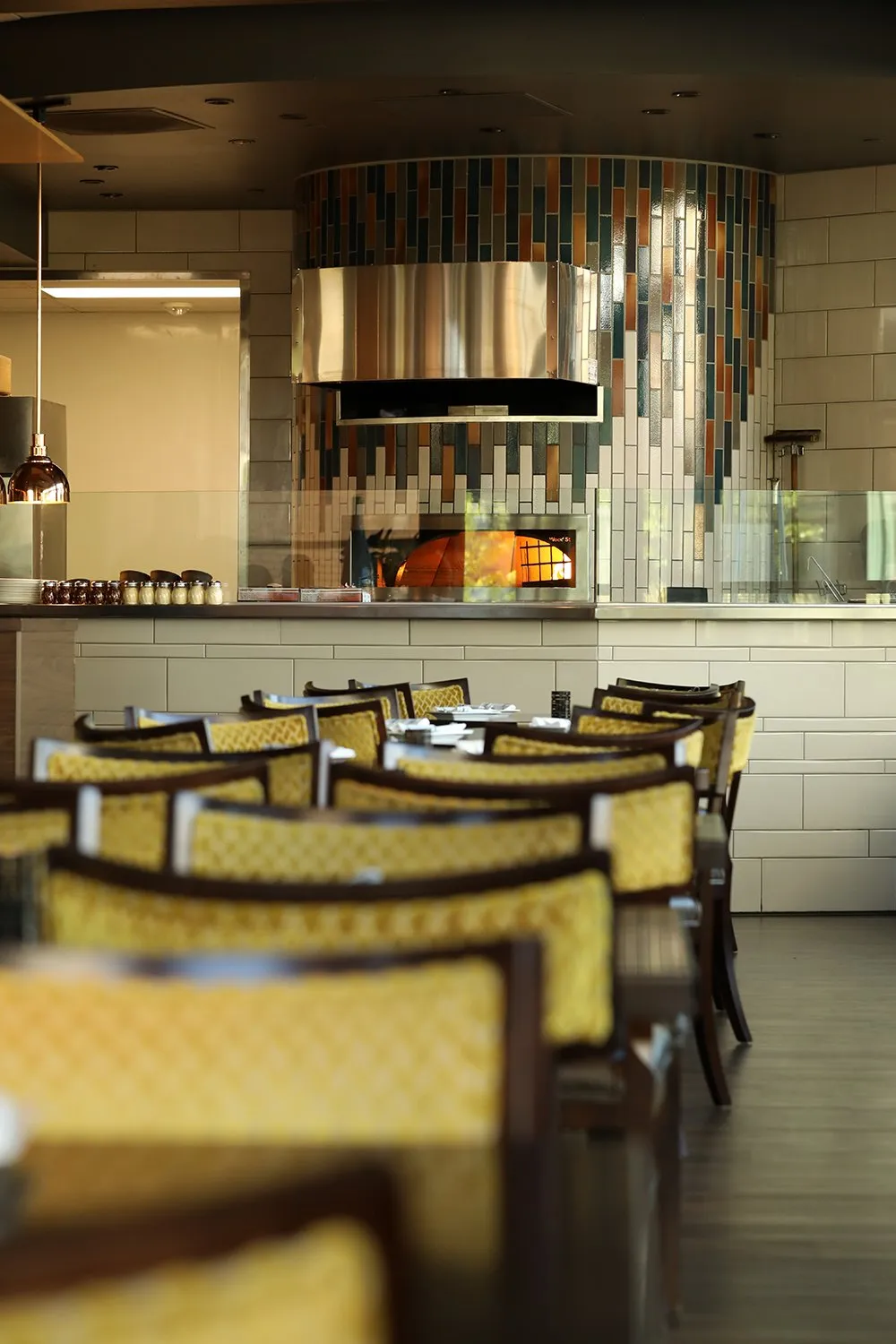
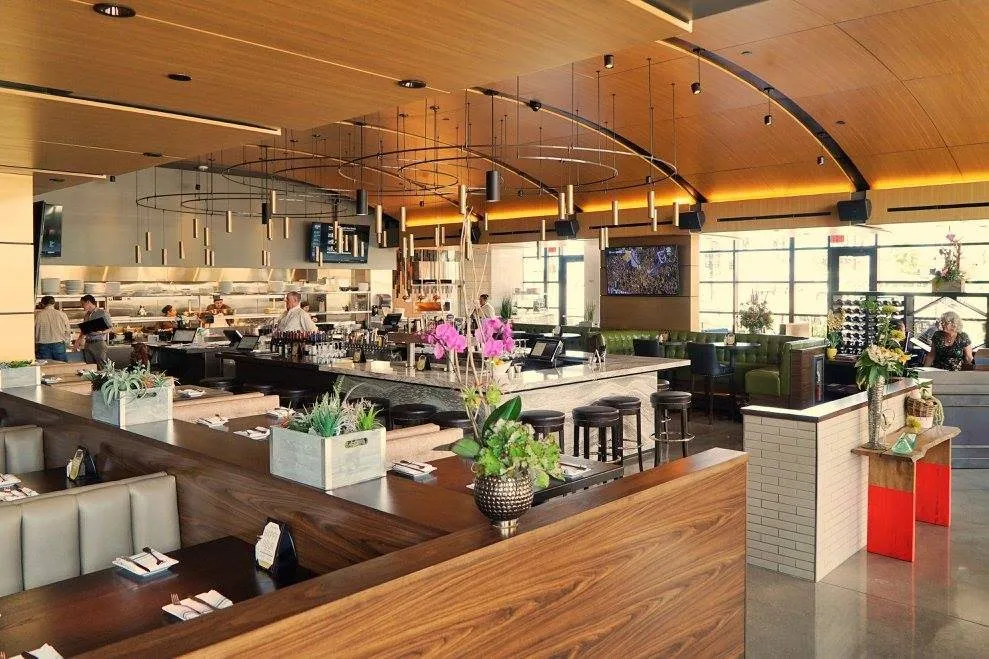
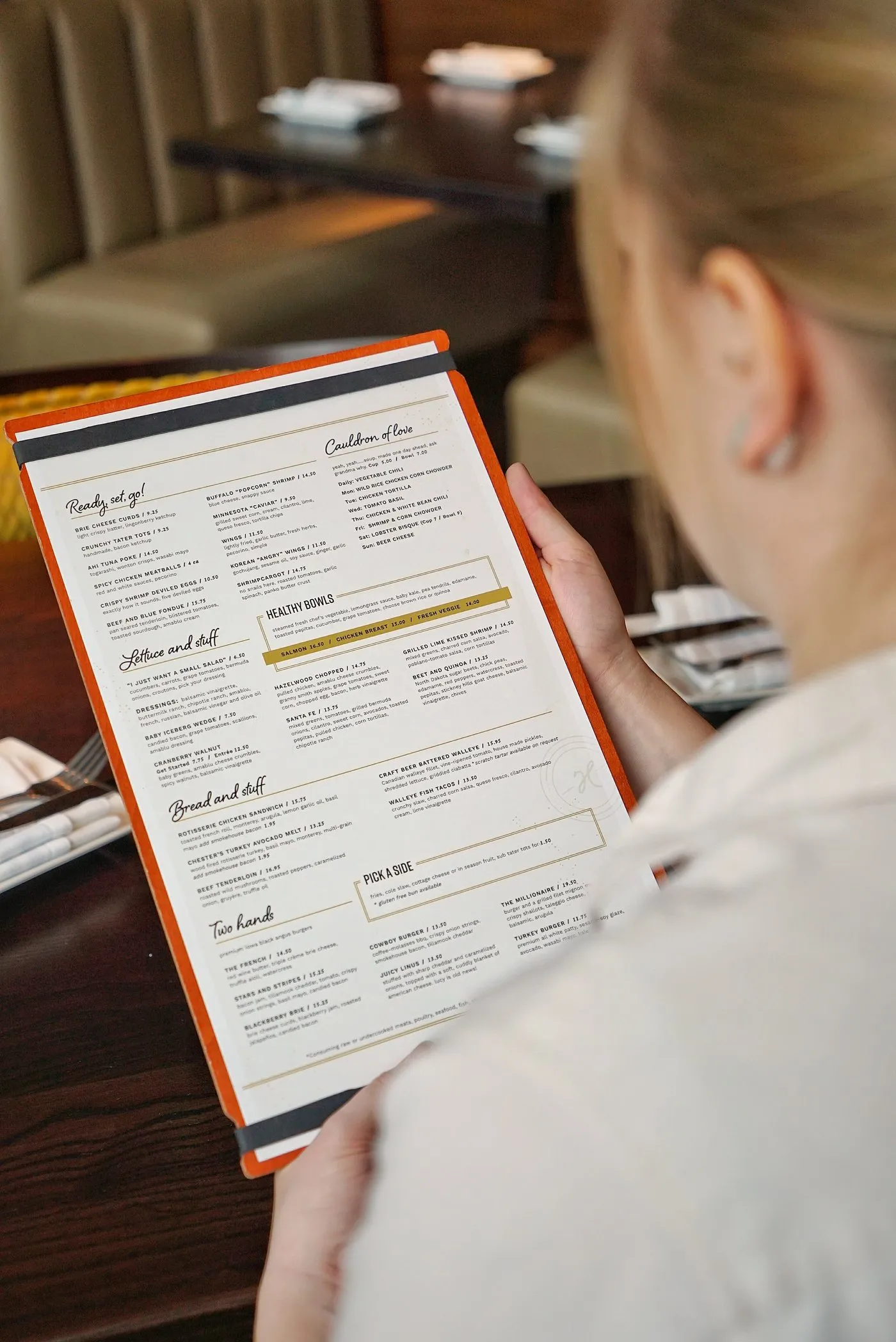
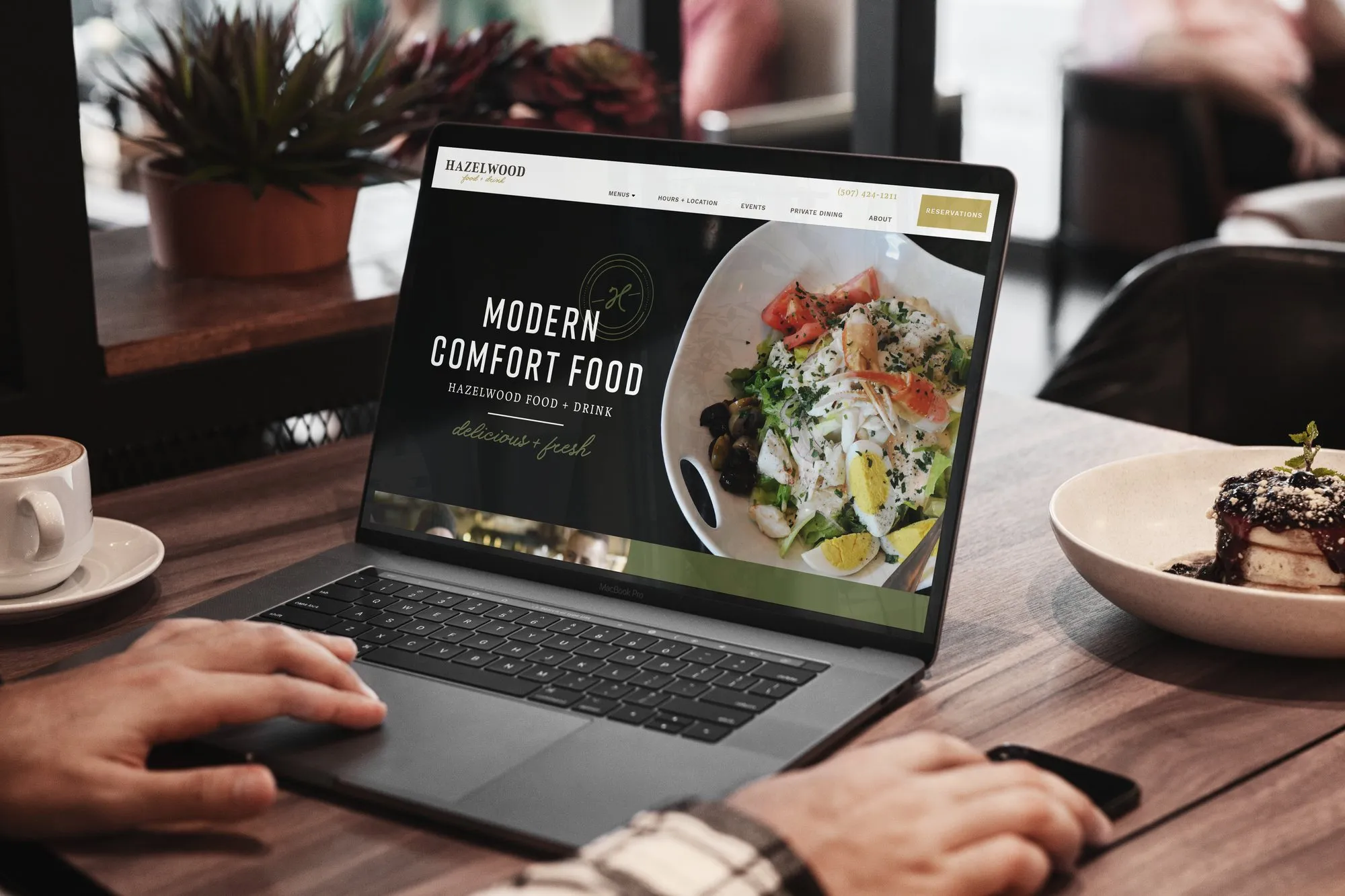
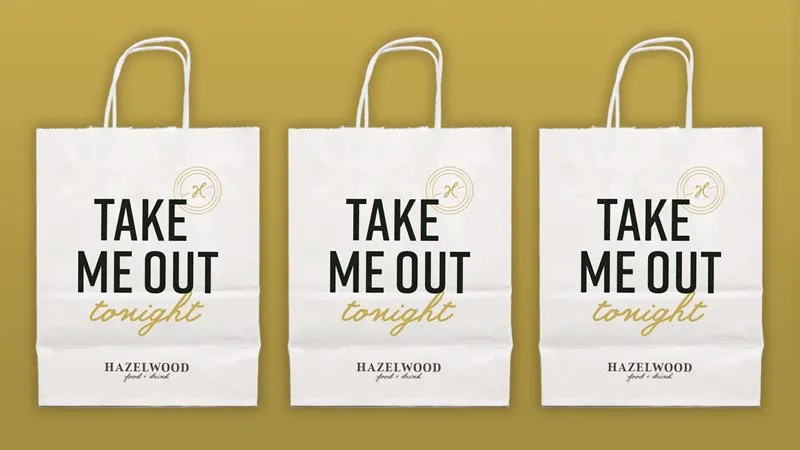
The brand was developed alongside Shea’s architectural work so the identity and environment told the same story. Rather than dark wood, low lighting and steakhouse formality, Hazelwood used lighter tans and browns, floor-to-ceiling windows, broad open spaces, an open kitchen, a dramatic arched ceiling over the bar and more whimsical art. The identity extended into the exterior, interior applications, apparel, menus, signage, style guide and website. Together, those pieces positioned Hazelwood as polished but approachable: a restaurant appropriate for a business meal, a family dinner, weekend brunch or a casual drink.
03 / Diagnosing the launch instead of defending it
When the initial numbers missed expectations, the team did not assume the concept simply needed more time. Marketing was brought back into the business to examine where Hazelwood was gaining traction and where demand was still absent. The analysis showed that hotel guests were arriving, but the surrounding Bloomington and Richfield community had not yet adopted the restaurant at the level needed to support 280 seats.
04 / Taking the restaurant directly to the local market
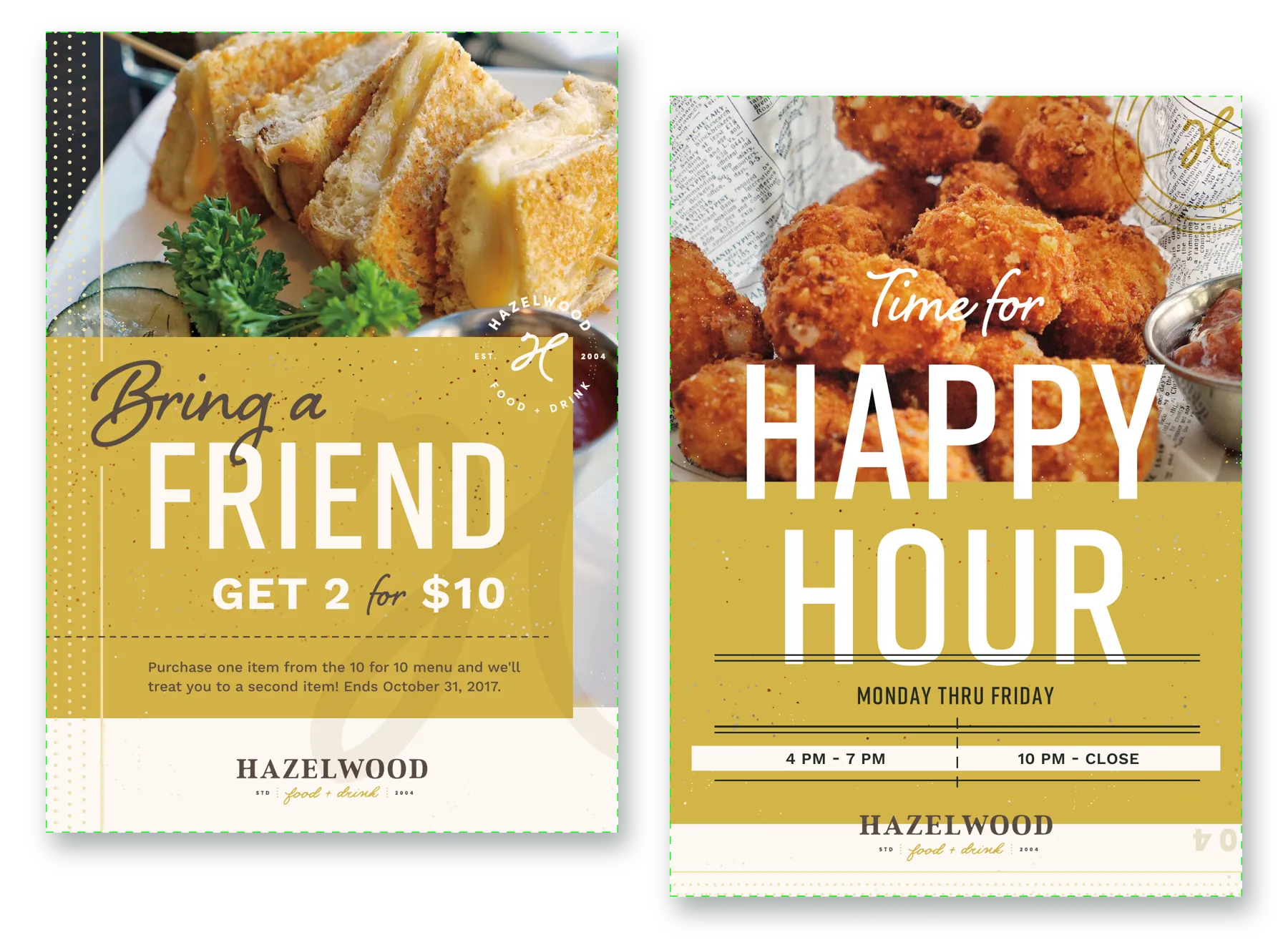
A sequenced direct-mail campaign introduced Hazelwood to households throughout Bloomington and Richfield. The goal was not broad awareness for its own sake; it was to turn a visible destination-area restaurant into a relevant neighborhood choice. The campaign coincided with the 2018 Super Bowl in Minneapolis, when Hazelwood’s proximity to hotels and light rail created an additional surge of trial and visibility.
The brand in use
How the pieces connected
From A Single Opening To A Repeatable Brand.
- Market opportunity
- →Name
- →Positioning
- →Identity
- →Restaurant experience
- →Local relevance
- Opening data
- →Audience gap
- →Local outreach
- →Community trial
- →Repeat demand
- →Expansion
Hazelwood’s momentum came from a sequence of connected decisions rather than one isolated piece of creative work.
The first relationship shows how the concept became coherent. The second shows how the team responded when the launch did not immediately meet expectations. Together, they demonstrate that brand development and restaurant performance are not separate conversations.
The impact
A Risky Flagship Became A Platform For Growth.
Hazelwood moved beyond its slow start and became an established Nova Restaurant Group flagship.
Identity
A name of its own
A new name gave the concept an identity distinct from Chester’s and better suited to the Twin Cities market.
Experience
A lighter polished casual
The brand and physical environment created a lighter, more approachable alternative within polished casual dining.
Diagnosis
A launch read honestly
Launch performance was treated as a market problem to diagnose, not an assumption to defend.
Local demand
Neighbors, not just visitors
Local outreach expanded the audience beyond transient hotel and Mall of America traffic.
Staying power
A durable flagship
The Bloomington restaurant became a durable flagship rather than a one-time destination-area experiment.
Expansion
Four locations
Hazelwood now operates four locations: Bloomington, St. Louis Park, Tonka Bay and Woodbury.
For restaurant owners, the larger lesson is that a strong concept is not defined by an uninterrupted opening. It is defined by the ability to read the market honestly, adjust the strategy and preserve the parts of the experience that make the restaurant worth growing.
What’s next
A Brand In Growth Mode.
With four locations open and two more being planned, Hazelwood has grown well beyond its original destination-area setting without losing what makes it recognizable. The continuing opportunity is to protect the core brand experience—modern comfort food, an inviting environment and broad occasion appeal—while allowing each location to respond to its own local market.
Explore More Impact Stories

Build a more profitable restaurant.
A Strong Restaurant Brand Has To Work In The Market.
If your restaurant has visibility but not enough demand—or a concept that works in one location but is difficult to carry into the next—Tempo can help connect the brand, guest experience and growth strategy around what the market actually needs.
Let’s Talk Growth