Brand, operations + technology/Pizza Novara
Building Pizza From a Tech Foundation.
Pizza Novara brings East Coast-style pizza and midwest-Italian personality into a modern dine-in, takeout and delivery concept. Tempo developed the brand and connected technology system together seamlessly.
- Client
- Pizza Novara
- Restaurant context
- New fast-casual pizza concept near the Mall of America in Bloomington, Minnesota
- Role
- Concept development, brand identity, design, in-restaurant brand elements, apparel, marketing, digital menu boards and technology planning
- Solutions
- Operations, Marketing and Technology
- Engagement
- New concept development and launch
- Primary outcome
- More Consistent / Connected / Recognizable
The restaurant
A Familiar Category With A More Ambitious Operating Model.
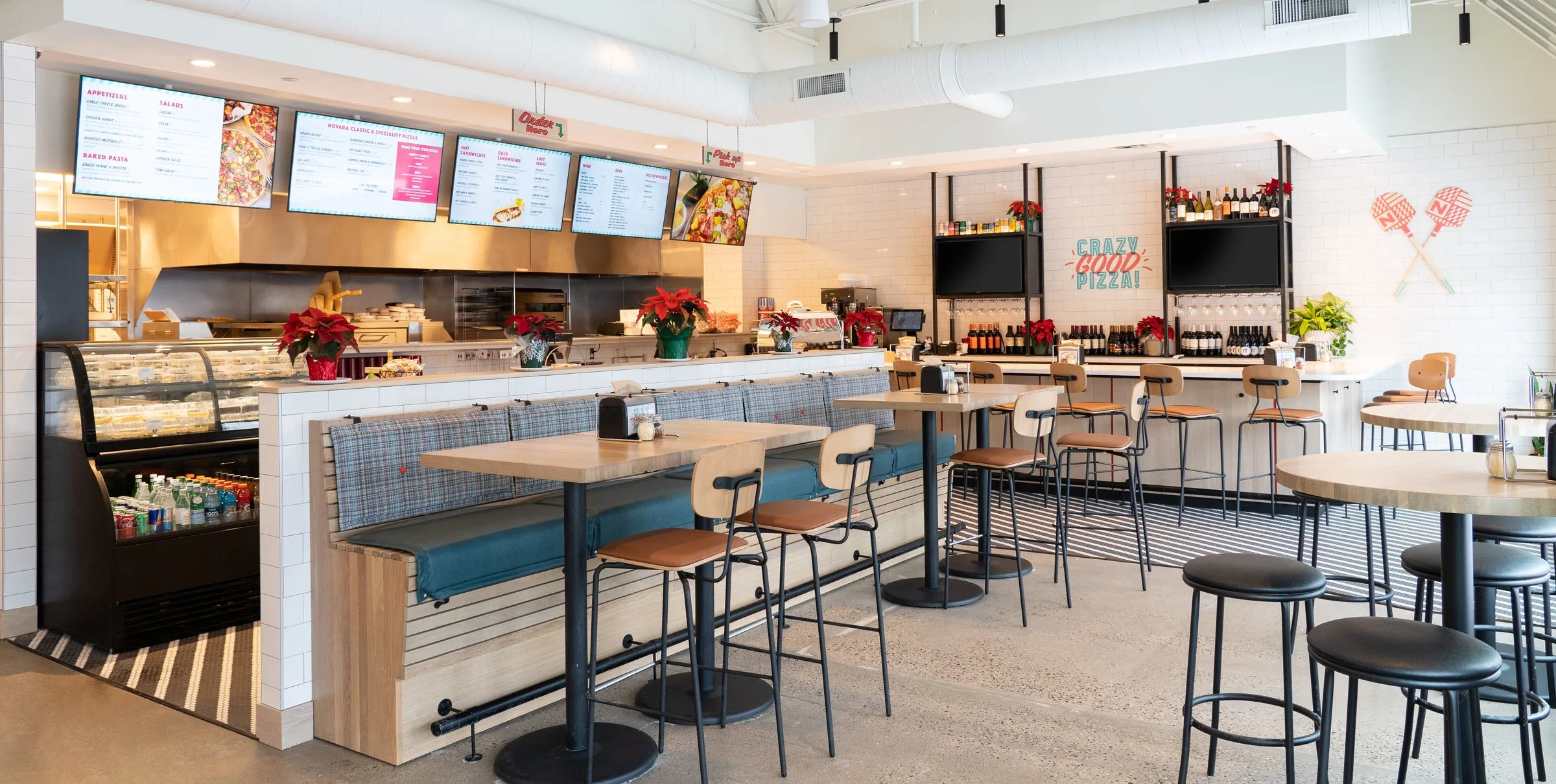
Pizza Novara was conceived as an East Coast-inspired pizza restaurant with Italian moxie, modern flavors and a Midwestern point of view. Located near the Mall of America, the concept needed to serve several kinds of guests at once: people eating in, walking up to the counter, ordering online, picking up food or having it delivered.
That mix made the restaurant more complex than its compact footprint suggested. Every service channel had to lead back to the same product, the same menu information and the same recognizable brand experience.
What was happening
A Simple Guest Promise Created A Complicated Restaurant.
The promise was straightforward: serve an authentic stone-baked pizza with the speed and consistency expected from a modern fast-casual restaurant. Delivering that promise required decisions that reached well beyond the logo or the menu.
Traditional deck ovens could produce the right style of pizza, but they limited throughput and depended on skilled cooks monitoring a small number of pies at a time. A pizza could move from properly baked to burnt in less than a minute. At the same time, counter orders, online orders and delivery orders needed to reach the kitchen without creating separate, manual workflows.
The restaurant also needed flexibility after an order left the kitchen. Management had to be able to choose between an in-house driver and third-party delivery while giving the customer useful information about who was bringing the order and when it would arrive. Even a routine menu-price change had implications across the POS, website and digital menu boards.

What we saw
The Brand And The Operation Had To Be Designed Together.
Pizza Novara did not need a brand on one track and an operating system on another. The concept would only feel complete if the identity, restaurant environment, ordering experience, kitchen production and delivery workflow all reinforced the same promise.
The technology question was therefore not how much software the restaurant could install. It was how food, orders, information and guests should move through the business. That meant beginning with the product, designing around the real service channels, establishing a reliable source for menu and pricing information, and extending the same concept across physical and digital touchpoints.
For another restaurant owner, that distinction matters. A collection of individually capable systems can still create duplicate work, inconsistent information and a fragmented guest experience. The value comes from deciding how those systems should work together before the restaurant is forced to solve the gaps during service.
What we built
Built From Both Sides.
01 / Defining a distinct pizza concept
Tempo created a brand that combined East Coast pizza culture, Italian personality and a contemporary Midwestern attitude. The identity gave Pizza Novara a recognizable voice and visual presence in a crowded category, establishing a concept that could be expressed consistently across the restaurant and its marketing.
02 / Bringing the brand into the restaurant
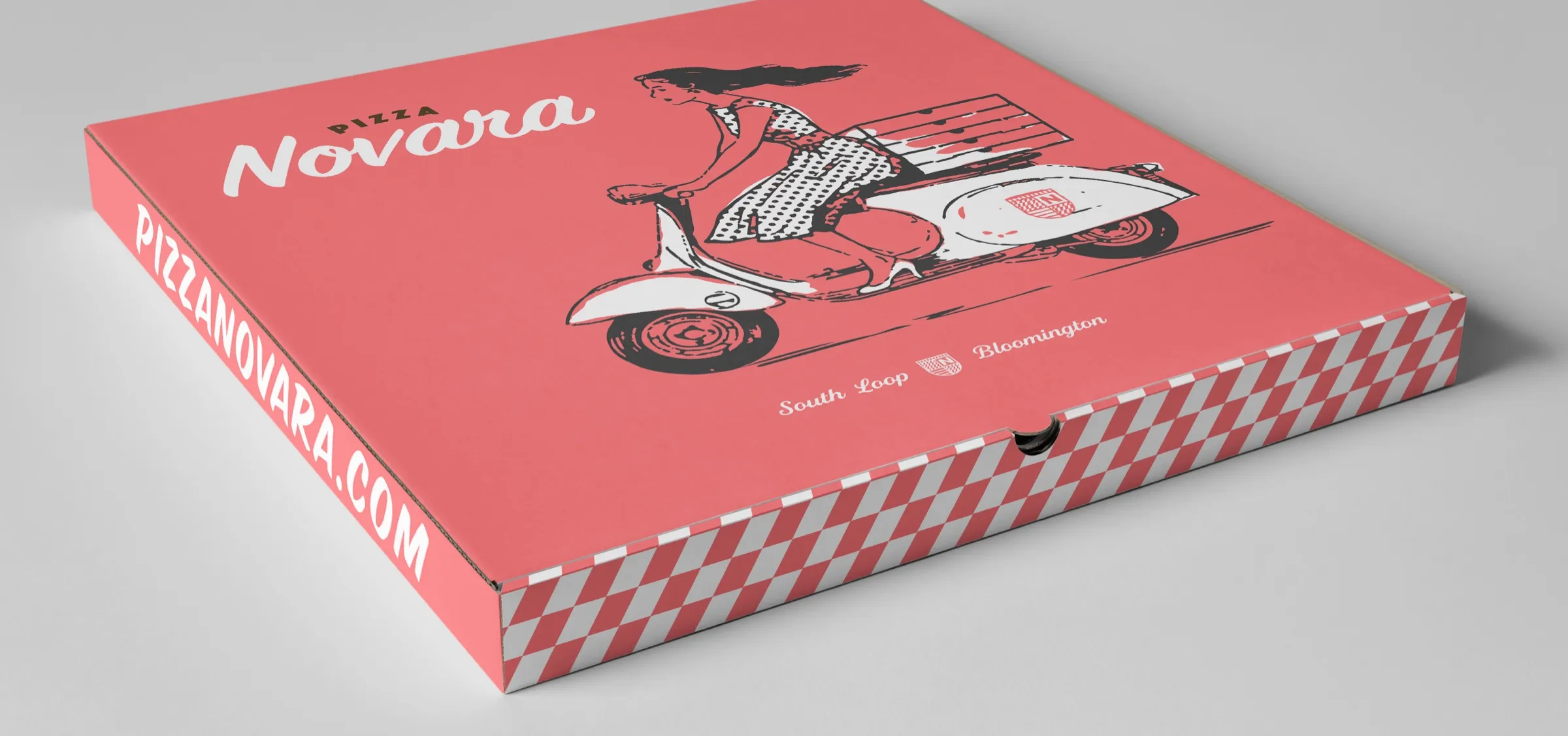
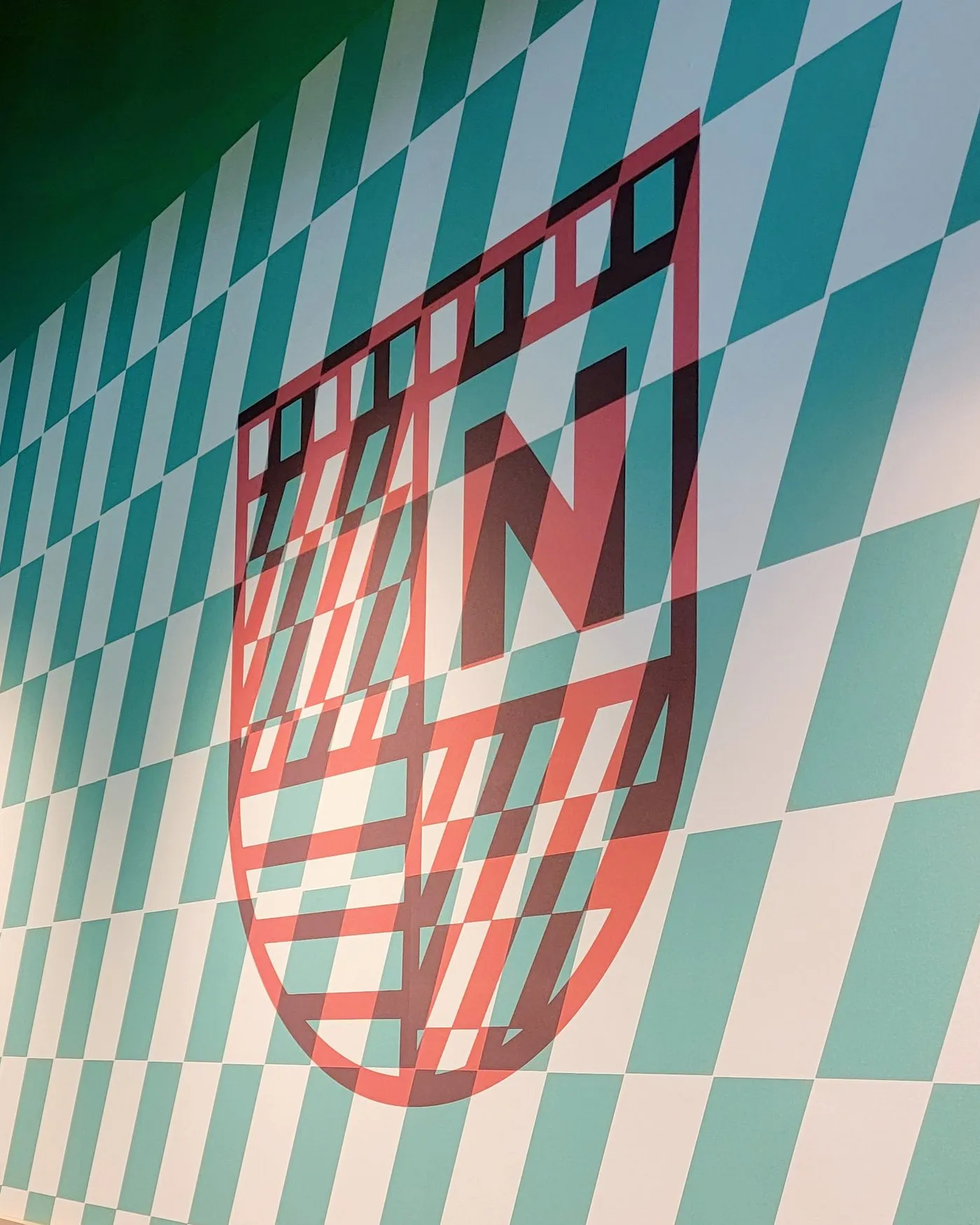
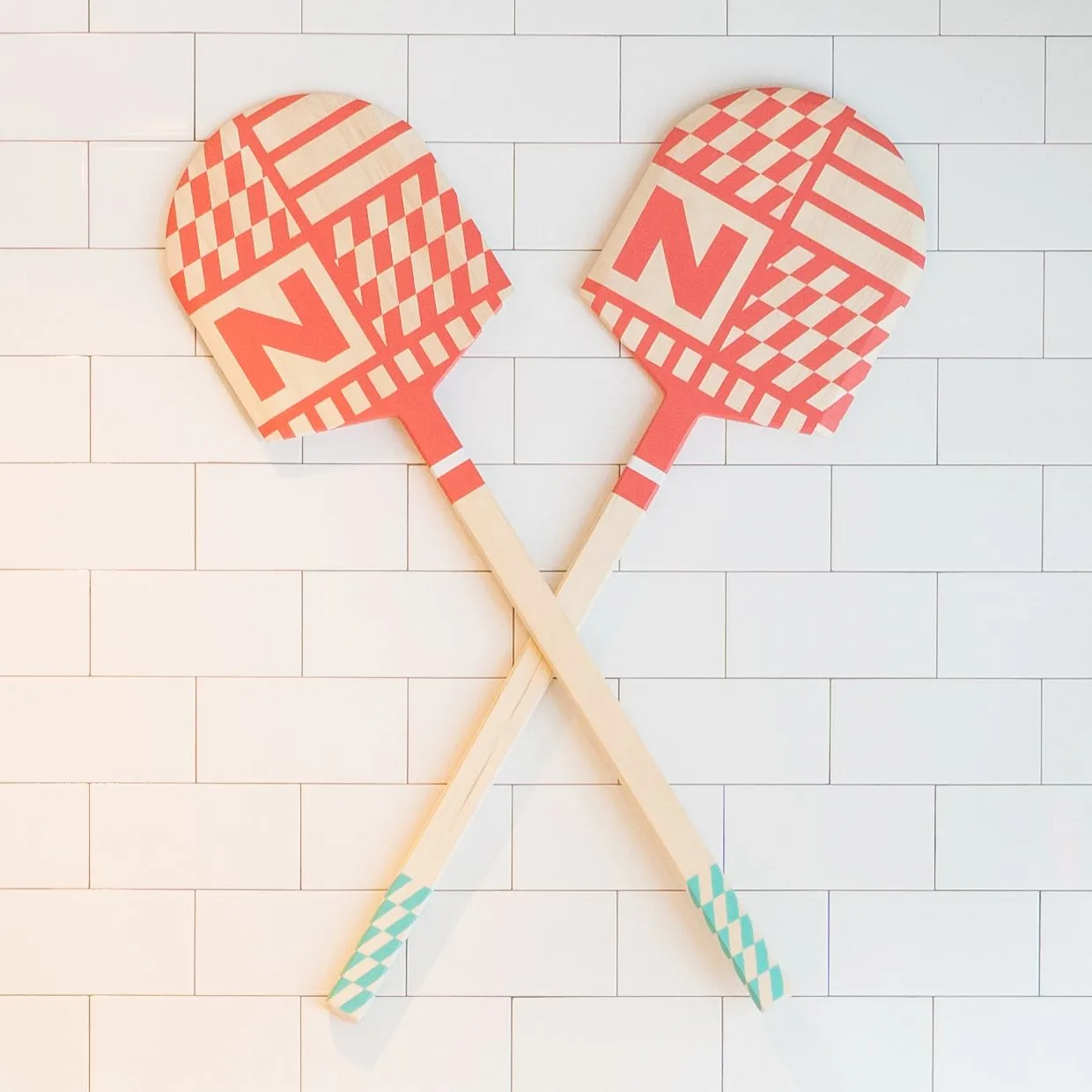
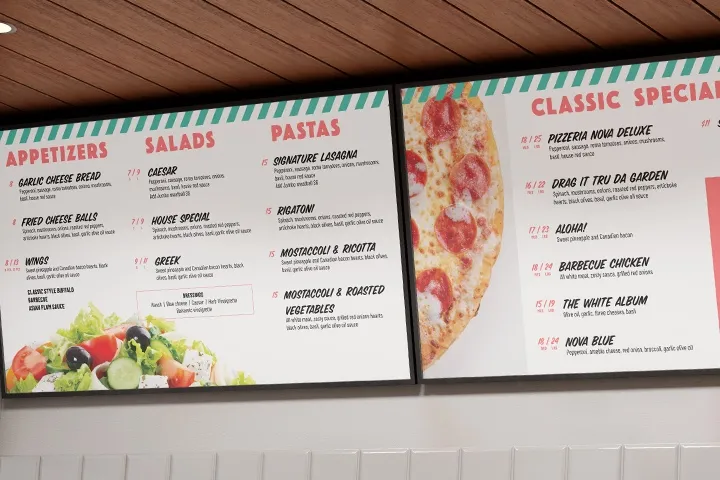
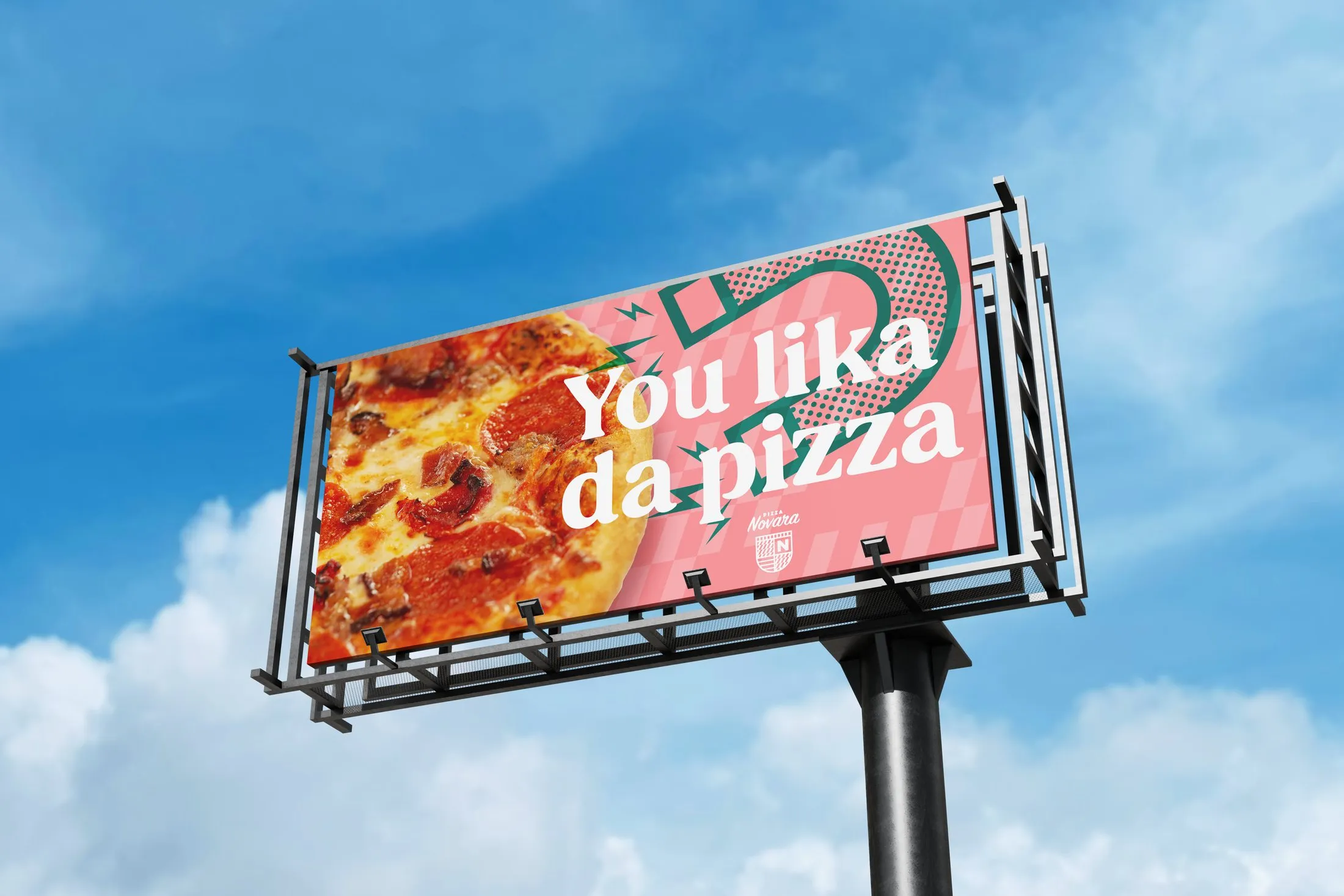
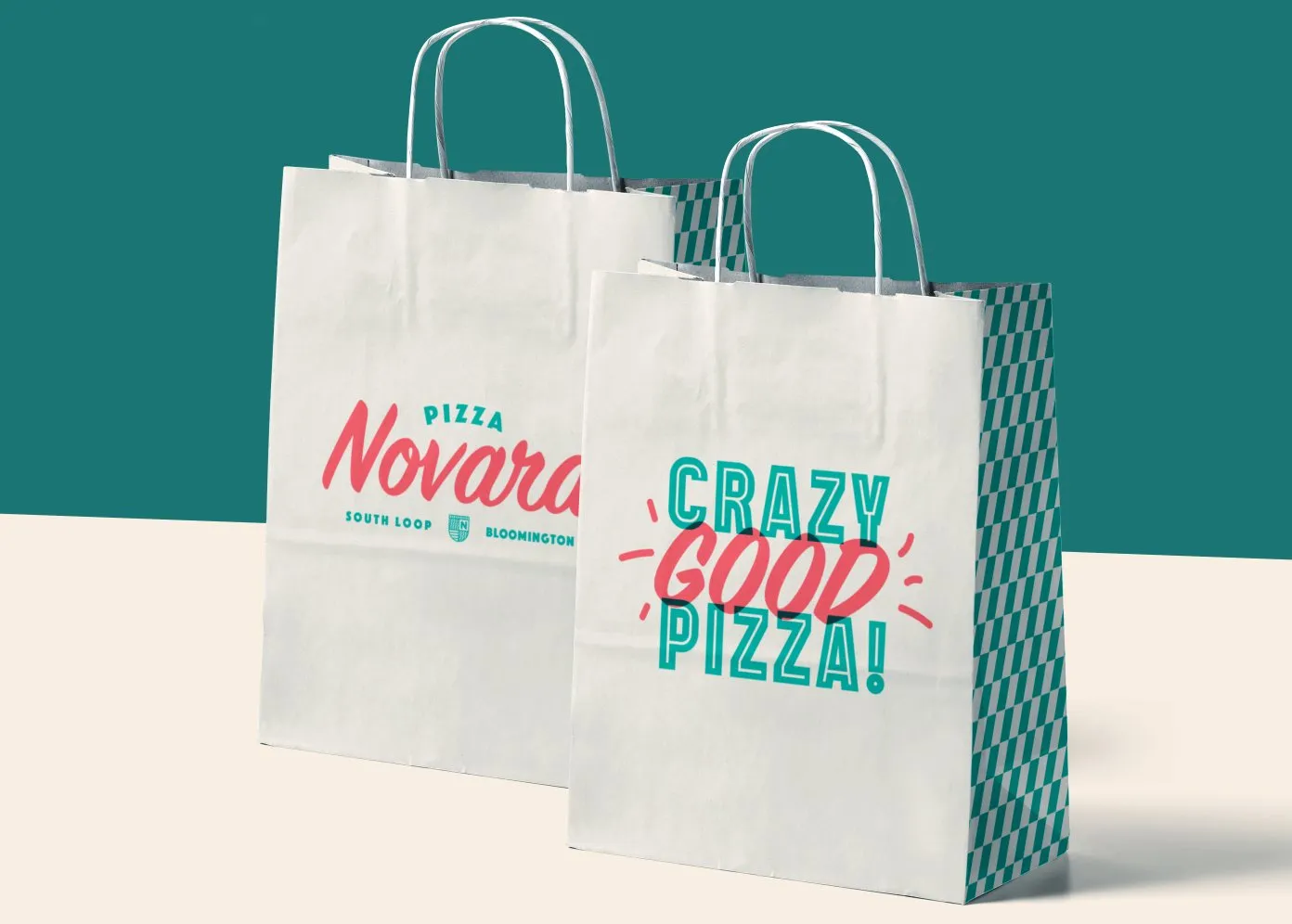
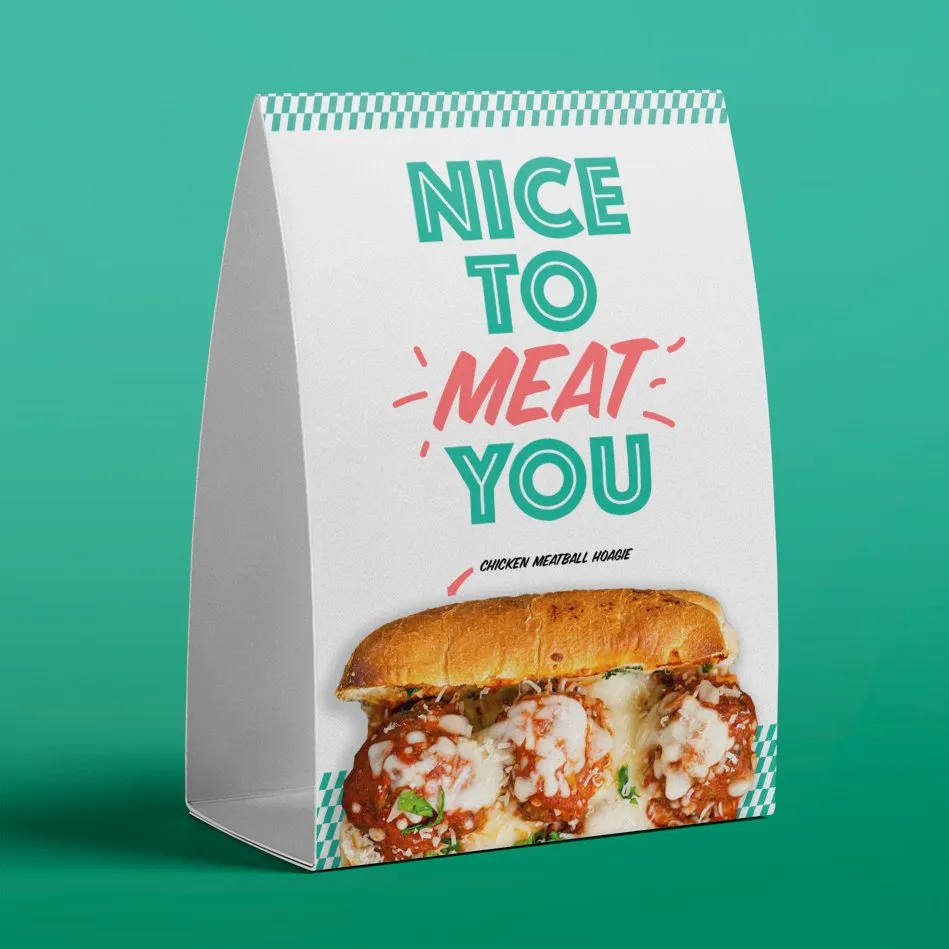
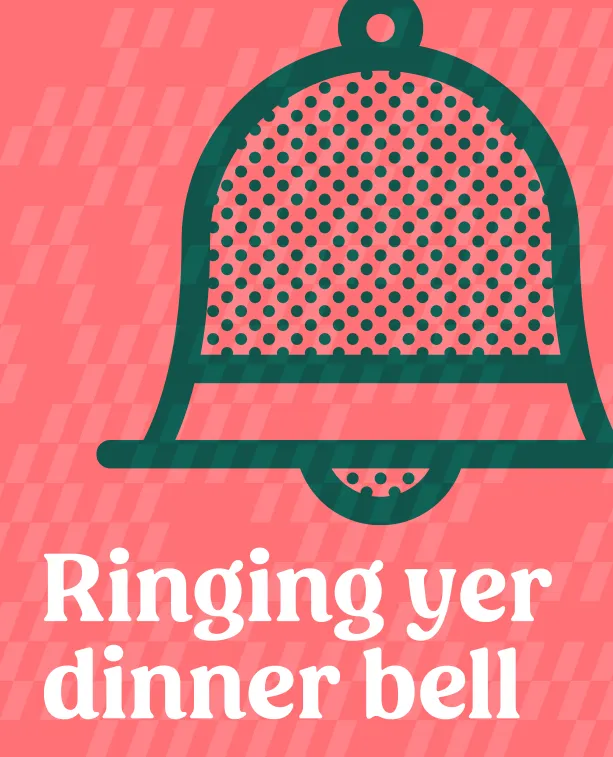
The identity extended into the restaurant through brand elements—photography, pizza paddles and wall graphics—as well as apparel, marketing and digital menu boards. These were not treated as unrelated design assignments. Together, they helped the physical restaurant, the staff presentation and the ordering environment feel natural.
03 / Engineering consistency into the kitchen
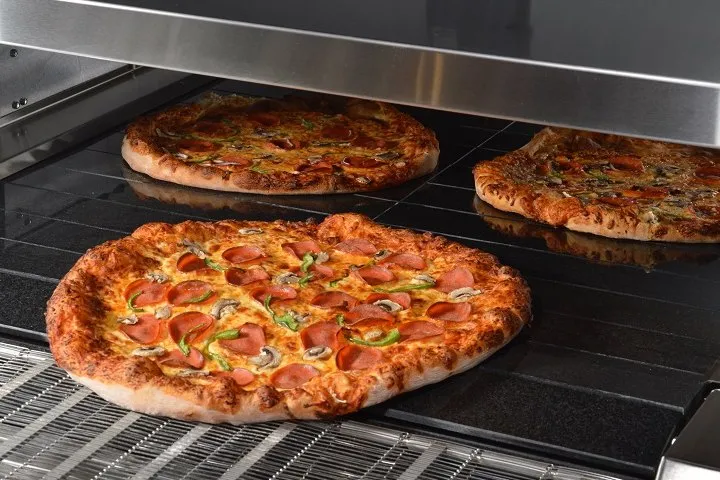
Oven research began approximately a year before the restaurant opened. Tempo identified a Hot Rocks conveyor oven that moved pizzas across heated stone slabs. The system preserved the characteristics of a stone-baked pizza while creating a more controlled production process capable of handling greater volume than a traditional deck-oven model.
04 / Connecting ordering and delivery
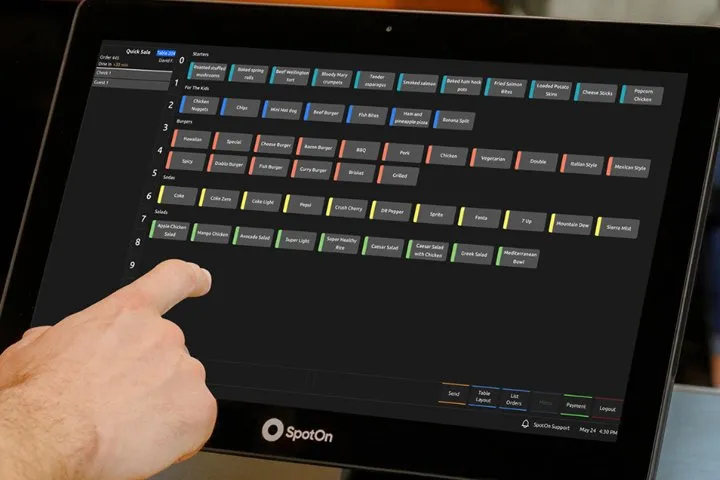
SpotOn became the center of the ordering workflow, managing counter transactions and online ordering. An online order could enter the restaurant and reach the kitchen without an employee manually re-entering it. The POS also connected with a delivery-management platform, allowing the restaurant to assign an order to an in-house driver or a third party based on what made sense at that moment. Once the order was dispatched, the delivery system could monitor the driver’s position and tell the customer who was bringing the food and when it was expected to arrive. That connected an internal operating decision to a clearer guest experience.
05 / Keeping the guest experience consistent
The POS, website and digital menu boards were connected so menu and price changes could move through the customer-facing system. Instead of relying on separate updates in several places, the restaurant had a more coordinated path for keeping information aligned.
From Dough To Door.
One order, either route, and the guest still knows who and when.
The brand in use
How the pieces connected
Connected Across Every Touchpoint.
- Brand positioning
- →Identity
- →Restaurant + digital touchpoints
- →Ordering
- →Kitchen execution
- →Delivery
- →Guest experience
- POS
- →Website
- →Digital menu boards
- →Consistent menu information
The value of the work was not located in any single deliverable. It came from the relationship between the brand guests encountered and the systems the restaurant team used to fulfill that experience.
The first relationship shows the complete restaurant concept. The second shows a practical example of integration: one operational decision could remain consistent across multiple places where the guest encountered the menu.
On the walls
The impact
A More Cohesive Restaurant From Front To Back.
Pizza Novara opened with its brand, environment, food-production model and guest-facing technology designed as parts of the same restaurant.
Brand
One identity, every touchpoint
A distinctive identity carried through the interior, apparel, marketing and digital menu experience.
Concept
Promise and production, together
The brand promise and kitchen-production model were developed as parts of the same concept.
Kitchen
Stone-baked, at volume
Stone-baked pizza could be produced through a more controlled process designed for consistency and volume.
Ordering
One production queue
Counter and online orders flowed into a shared production system.
Fulfillment
Delivery on the restaurant’s terms
Management retained flexibility over in-house and third-party delivery fulfillment. Customers could receive driver and anticipated-arrival information after dispatch.
Menu information
One menu, everywhere
Menu and pricing information could remain coordinated across the POS, website and digital menu boards.
For restaurant owners, the broader lesson is straightforward: branding, operations and technology create more value when they are designed around one operating idea. The result is not simply a better-looking restaurant or a larger technology stack. It is a business that is easier for guests to understand and more coherent for the team to run.
Explore More Impact Stories

Build a more profitable restaurant.
Your Technology Should Make The Restaurant Easier To Run.
If your systems create duplicate work, disconnected ordering channels or inconsistent guest information, Tempo can help design the brand, workflows and technology around the way your restaurant actually operates.
Let’s Talk Growth