04 / Restaurant operations consulting: Build a Restaurant That Works Without You Working Everywhere.
Your restaurant shouldn’t depend on a handful of people remembering how everything is supposed to work.
Tempo helps operators build the systems, standards, leadership and accountability that turn good intentions into consistent execution—shift after shift, location after location.
The tension
Your Restaurant Shouldn’t Need A Hero Every Shift.
The GM who knows everything. The chef who fixes everything. The owner everyone calls. The bartender who knows where everything is.
They’re incredibly valuable. They’re also a risk. When great performance depends on specific people constantly stepping in to save the day, the business hasn’t created consistency. It’s created dependence.
Tempo helps turn individual knowledge into organizational capability.
Symptoms
Does The Business Feel Harder To Run Than It Should?
Every manager runs the restaurant differently.
Standards change depending on who’s working.
Training happens by shadowing whoever is available.
New employees learn different versions of the same job.
The owner is still the escalation point.
Problems eventually find their way back to you.
Labor is managed reactively.
Schedules solve this week’s staffing problem instead of supporting productivity.
The same problems keep coming back.
Issues get fixed, but the underlying process doesn’t.
Chaos is usually a systems problem in disguise.
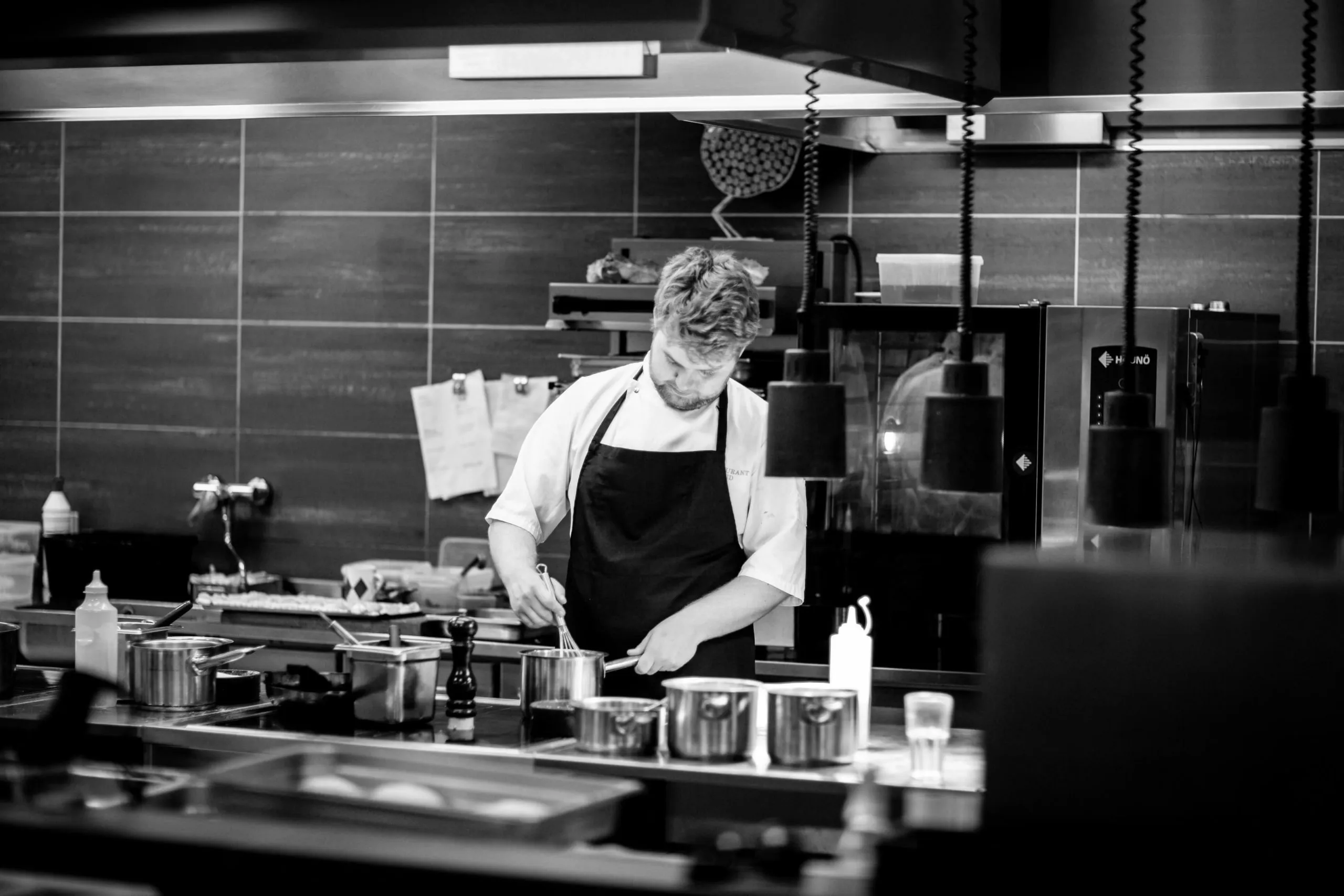
What consistency looks like
One Service. Twelve Stations.
Consistency is a system, not a personality
Diagnosis
Consistency Doesn’t Happen Because People Try Harder.
It happens when the organization makes the right behaviors repeatable.
- 01
Expectations
Does everyone know what good looks like?
- 02
Process
Is there a clear way to get there?
- 03
Training
Have people actually learned it?
- 04
Tools
Do they have what they need to execute?
- 05
Measurement
Can managers see whether it’s happening?
- 06
Accountability
Does someone own the result?
Consistency is the result of the operating stack working together — and structure creates freedom: managers who aren’t putting out fires have time to lead people and serve guests.
Where we help
Better Operations Are Built Across The Business.
Operating systems & SOPs
Turn tribal knowledge into repeatable processes.
Standards · SOPs · Checklists · Workflows · Responsibilities · Documentation
Leadership & management
Help managers become leaders of the business rather than firefighters.
Roles · Expectations · Accountability · Meeting rhythms · Coaching · Performance management
Labor & productivity
Build labor systems around demand and performance.
Scheduling · Productivity · Staffing models · Labor targets · Deployment
Training & development
Create more consistent ways to onboard and develop people.
Onboarding · Role training · Management training · Standards · Learning systems
Food & inventory operations
Improve the systems behind product consistency and cost control.
Purchasing · Receiving · Inventory · Prep · Waste · Recipes · Variance
Guest experience
Connect operational standards to what guests actually experience.
Service standards · Recovery · Feedback · Consistency · Quality control
Multi-unit operations
Make successful execution repeatable across locations.
Location standards · Reporting · Leadership structure · Communication · Accountability · Scalability
Technology & data
Use technology to reduce friction and improve visibility.
Restaurant365 · POS · Scheduling · Inventory · Reporting · Integrations · Automation
Owner dependence
What Happens When You Leave For Two Weeks?
Not: what happens if you don’t answer your phone. Actually leave. No checking labor. No approving every decision. No fixing schedules. No manager calling about a vendor. No jumping into the restaurant because someone called out.
What happens to the business?
- The restaurant performs normally.
- Things slip, but managers handle it.
- I would be nervous.
- Absolutely not happening.
The goal isn’t to remove owners from their restaurants. It’s to give them the choice.
Operations → Profitability
Operational Problems Eventually Become Financial Problems.
- Poor receivingFood cost
- Poor schedulingLabor cost
- Poor trainingTurnover
- Poor accountabilityMargin erosion
Better operations don’t just make restaurants easier to run. They make them more profitable — and, before a second location, replicable.
Explore ProfitabilityThe lifecycle
One Restaurant. Eight Connected Stages.
Tempo can help create the restaurant, improve the business, scale what works and prepare it for what comes next.
- 01Concept CreationBuild it right from the start.
- 02ProfitabilityKeep more of what you make.
- 03Restaurant365Make Restaurant365 work for the restaurant.
- 04OperationsMake good performance repeatable.
- 05TechnologyEnsure your systems work together.
- 06MarketingTurn attention into guests.
- 07ExpansionGrow without breaking what works.
- 08M&A + ExitMake the business worth more.
Let’s talk operations
Consistency Is Built, Not Hoped For.
Let’s build yours.
Whether the friction is in standards, training, labor, leadership or multi-unit execution, Tempo can help you find where the system is missing and what to do about it.