
Tempo Hospitality Group’s creative services bring restaurant brands to life through clear storytelling, thoughtful design, and consistent execution.
Creative Services
We blend brand strategy with performance marketing to ensure every campaign, promotion, and message supports both guest experience and financial results.
Strategy
We collaborate with you to understand objectives, identify your technical and marketing challenges.
Brand Strategy
SEO & GEO Strategy
Marketing Plan
Media Plan & Buying
Persona Development
Messaging Plans
Employer Brand Strategy
Employer Value Proposition
Recruitment Marketing
Creative
We help focus, refine and articulate your brand, and ultimately bring it to life through experiences that engage.
Naming
Logo Development
Brand Identity & Guidelines
Content Development
Photo & Video Production
Print Materials
Website Design
Landing Pages
Retail & POS Materials
Vehicle Wraps
Out of Home
Signage
Marketing
We find your people, create meaningful connections, and use data-backed solutions that drive results.
Search Advertising (PPC)
Display & Remarketing Ads
Social Media Marketing
Digital Advertising
Radio, TV & Print Advertising
Email Marketing
Direct Mail
Customer Reviews/Reputation Mgmt
Performance Summaries
Templates
Featured Work
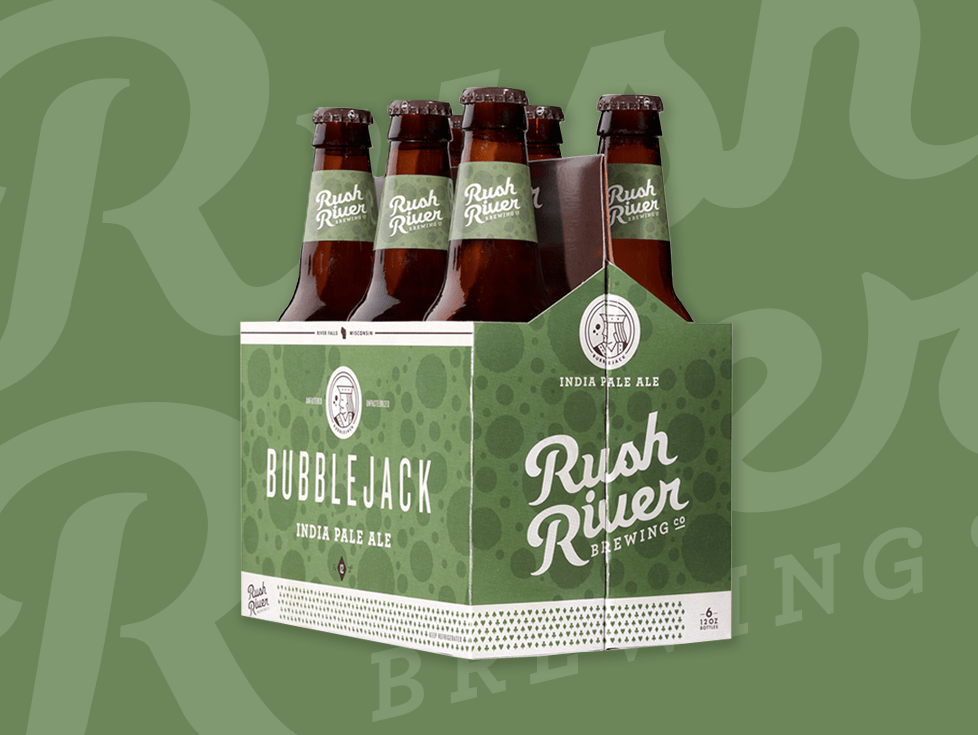


How can a brand refresh help with growth?
A lot of operators think a “brand refresh” means a new logo and some nicer photos. That’s usually the least important part. Done right, it’s a performance upgrade that drives traffic, improves conversion, and increases perceived value.
What is a brand refresh (and what isn’t it)?
A brand refresh is a strategic update to how your restaurant shows up—visually, verbally, and experientially.
It’s not just a new logo. It’s how your menu reads, how your website converts, how your space feels, and how clearly customers understand why they should choose you.
How can a brand refresh actually increase revenue?
A strong brand directly impacts three things:
• More traffic – clearer positioning helps you stand out in a crowded market
• Higher conversion – better menus, photos, and messaging turn browsers into guests
• Higher check averages – stronger perceived value supports better pricing
Most restaurants don’t have a demand problem—they have a clarity problem.
When should a restaurant consider a brand refresh?
Common signals:
• Sales have plateaued or declined
• You’re getting lost in a competitive market
• Your concept feels dated or inconsistent
• You’ve evolved operationally, but your brand hasn’t caught up
• You rely too heavily on discounts or promotions to drive traffic
If the experience is better than how it’s being perceived, a refresh is overdue.
Will this confuse our existing customers?
Not if it’s done correctly.
A good refresh keeps what people already love and clarifies it. It strengthens recognition rather than replacing it. Most guests experience it as an upgrade—not a change.
Does a brand refresh mean we need to renovate the space?
Not necessarily.
Many impactful refreshes happen through:
• Menu design and structure
• Photography and content
• Website improvements
• Messaging and positioning
• Small environmental updates (signage, finishes, lighting)
Big renovations are optional—not required.
How does branding affect online ordering and takeout?
Significantly.
Your brand is often the only experience customers have before ordering online. Clear menus, strong food positioning, and better visuals can materially increase:
• Conversion rates
• Average order value
• Repeat orders
If your digital presence undersells your food, you’re leaving money on the table.
How long does a brand refresh take?
Typically 6–10 weeks depending on scope and number of decision-makers.
That includes strategy, positioning, visual updates, and implementation guidance. More complex rollouts (menus, signage, digital systems) can extend beyond that.
What kind of results should we expect?
While every restaurant is different, common outcomes include:
• Increased traffic (especially from new customers)
• Improved online conversion rates
• Higher average ticket sizes
• Stronger customer retention and repeat visits
• Reduced reliance on discounts
The goal is sustainable growth—not short-term spikes.